Barriers, Barricades, and Bollards: The Invisible Heroes of Traffic Safety
Traffic order and safety are not ensured solely by drivers following the rules. Behind this system, many physical elements play a vital role in guiding and restricting movement. Among the most important of these are barriers, barricades, and bollards. But what are their functions, what are the differences between them, and in what situations are they used?
Barriers: The First Line of Safety
Barriers are primarily used to direct vehicle traffic or restrict access to specific areas. They are commonly seen at parking lot entrances and exits, during temporary roadworks, or in areas where pedestrian protection is needed. They can be made of metal, plastic, or concrete, and come in retractable, telescopic, or fixed models.
Barricades: Temporary and Effective Measures
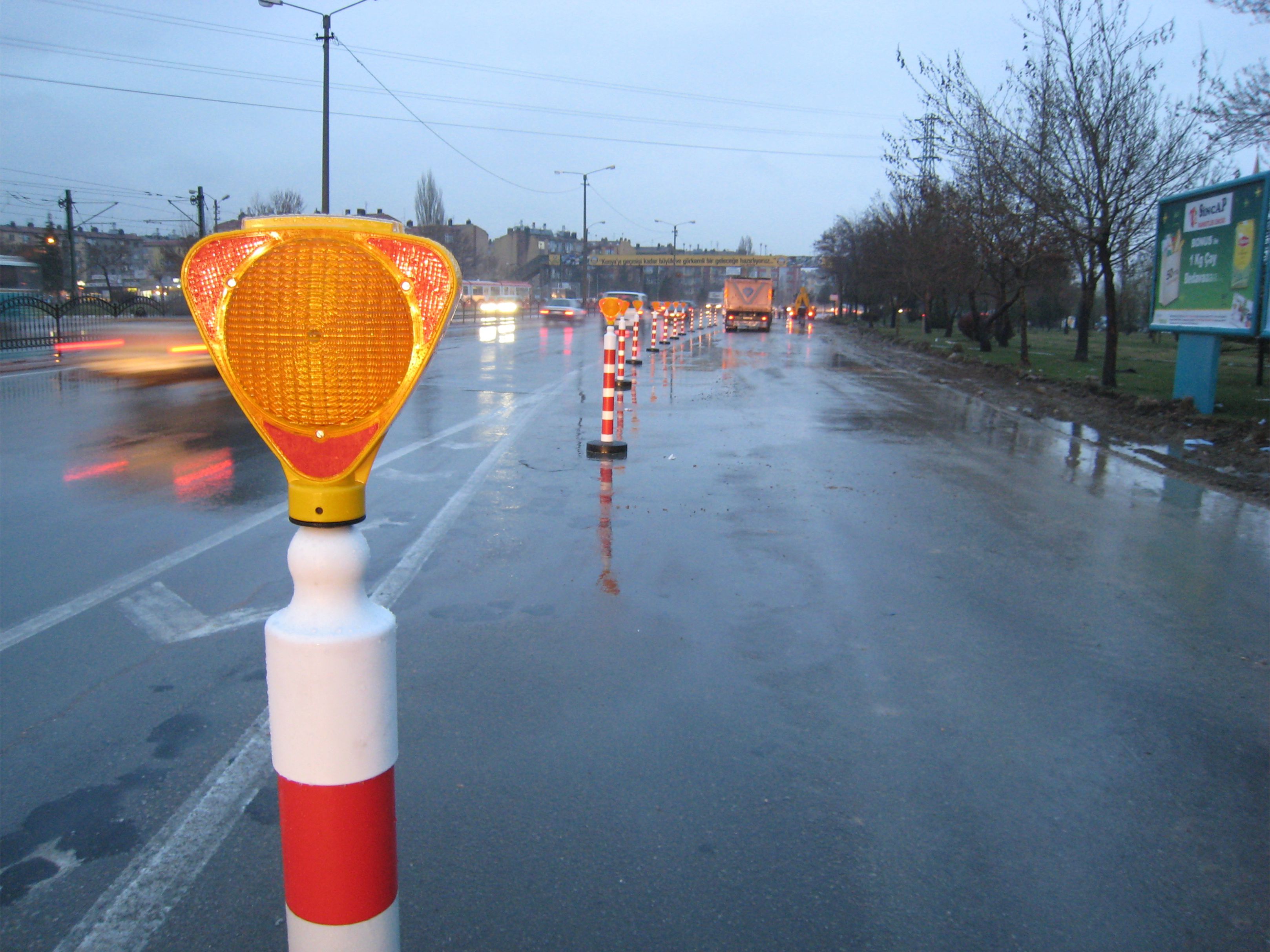
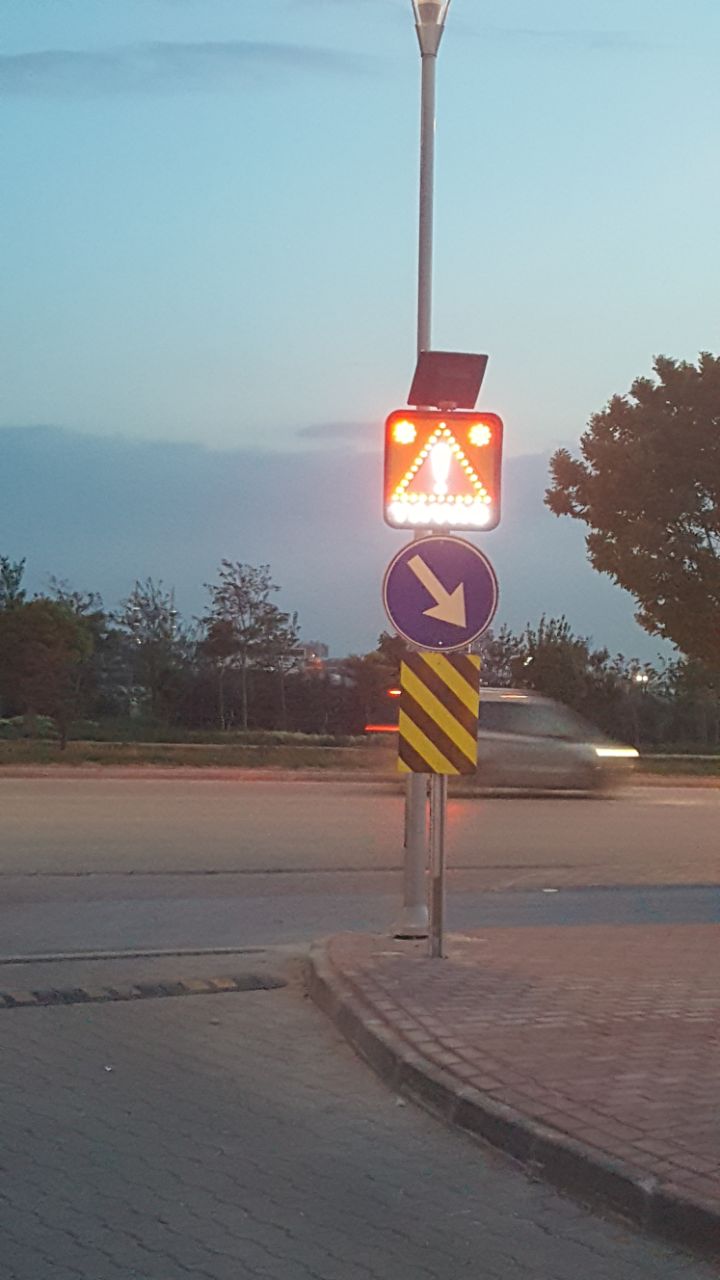
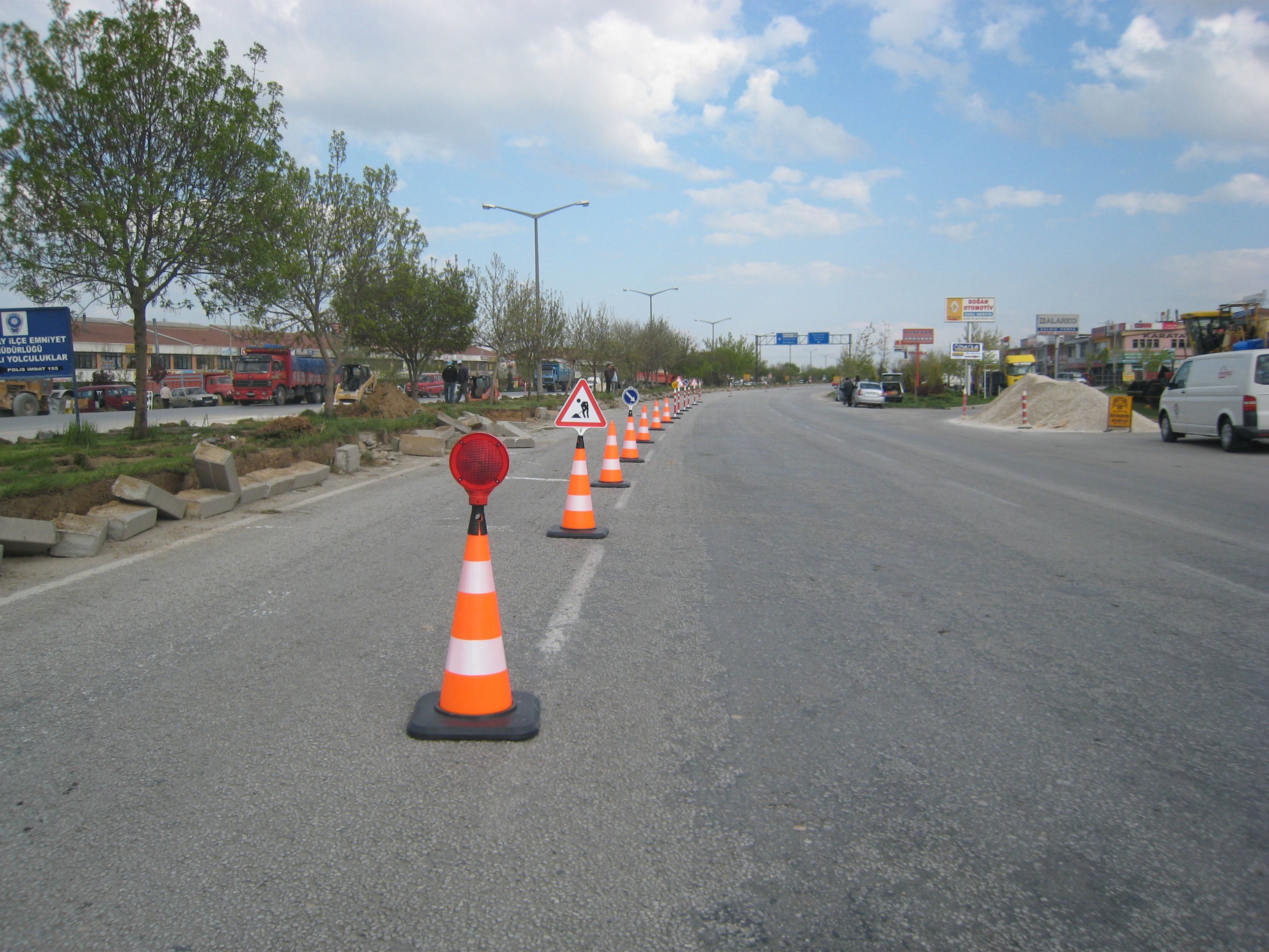
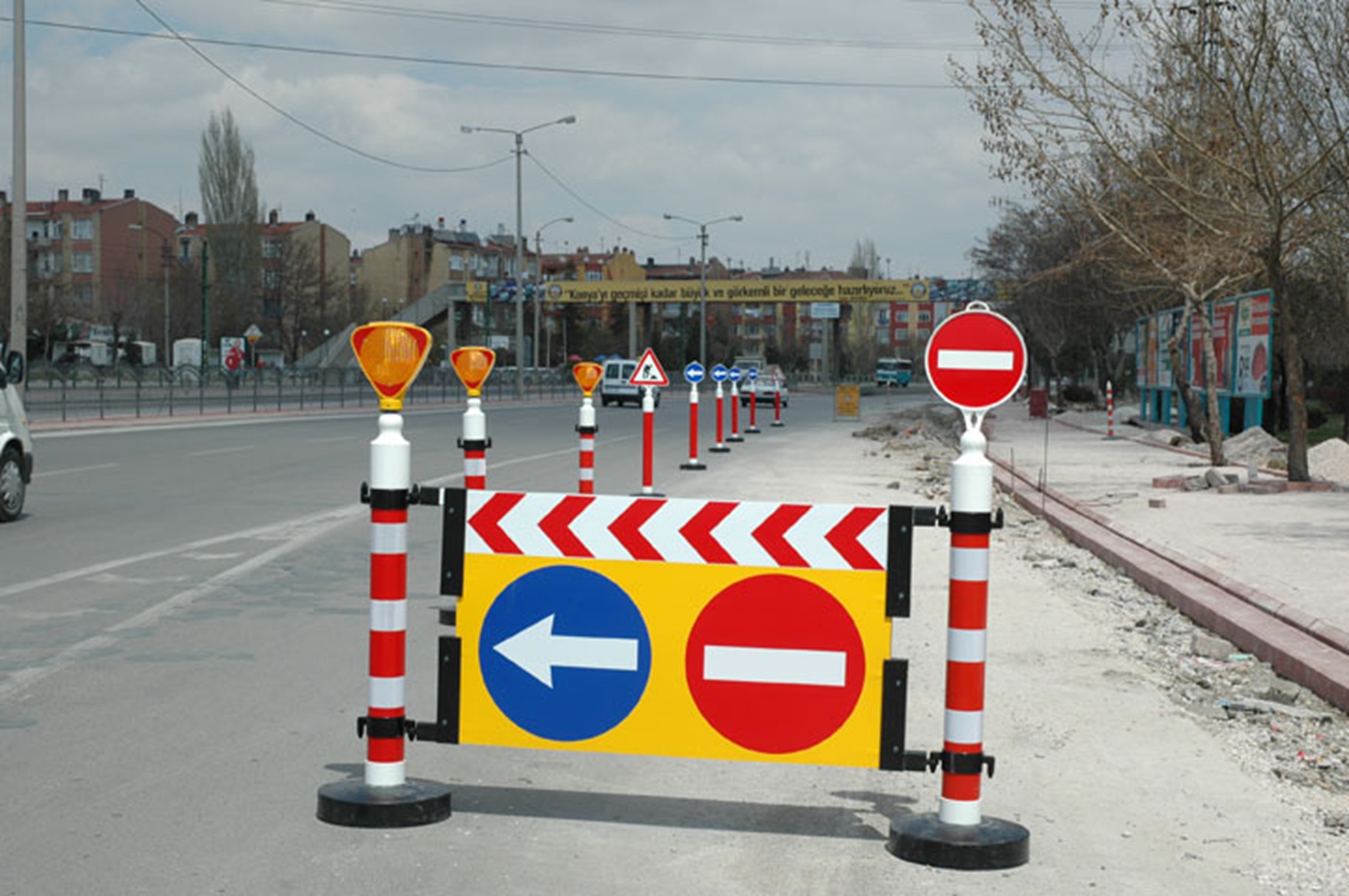
Barricades are typically used as temporary safety measures. They are ideal for enclosing areas during roadworks, public events, or accident scenes to control traffic flow. Their lightweight structure allows them to be easily transported and arranged in different configurations. Thanks to their reflective surfaces, they also offer high visibility at night.
Bollards: Essential for Guidance and Warning
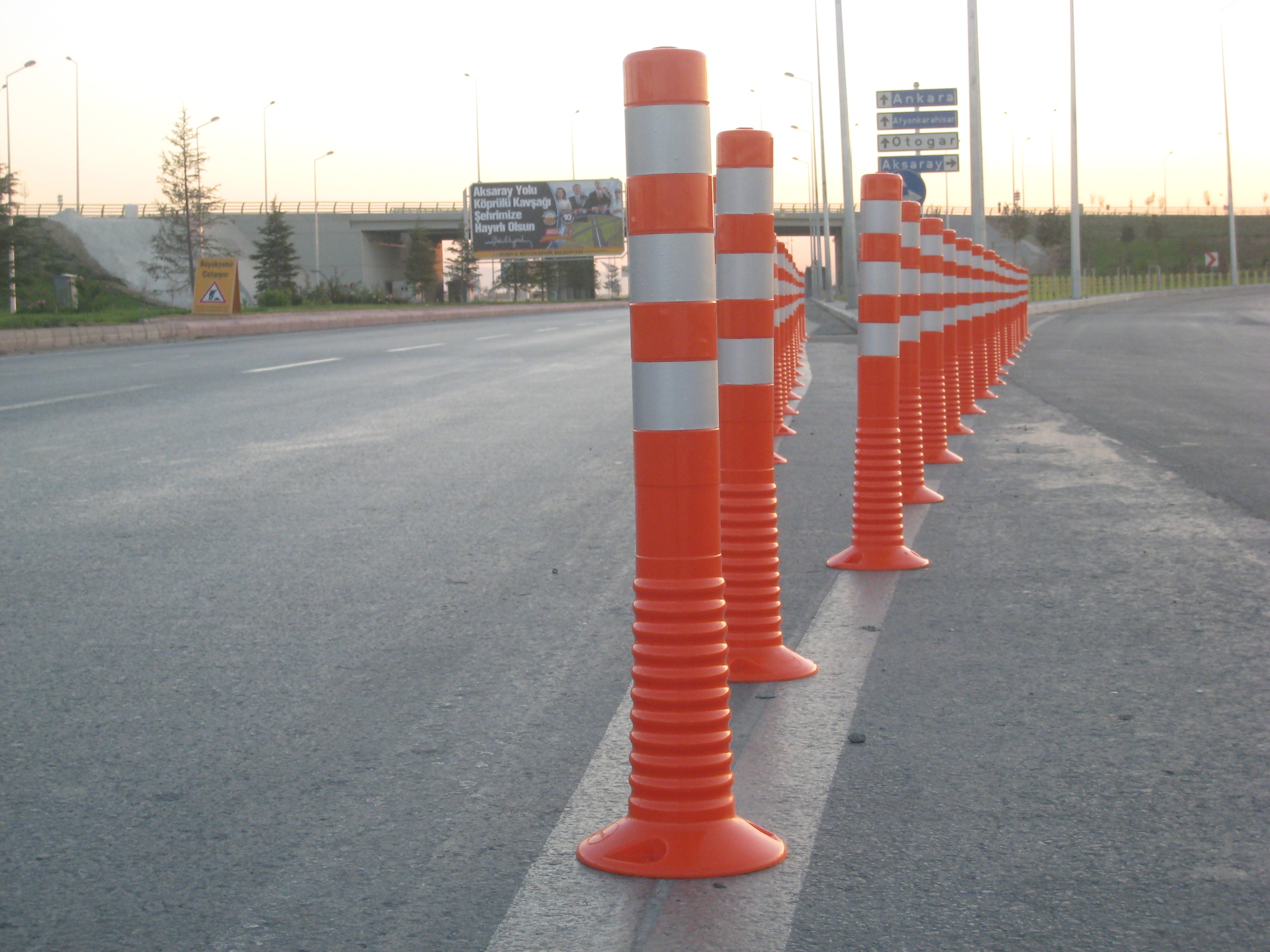
Traffic bollards are practical products used to guide both vehicular and pedestrian traffic and to alert drivers. Their flexible structure makes them resistant to impacts, and they are usually made of plastic. They are frequently used along roadsides, in parking lots, and in temporary traffic arrangements.
In Conclusion:
Traffic products such as barriers, barricades, and bollards are crucial tools for enhancing safety, preventing accidents, and maintaining smooth traffic flow. Each has its own specific use and advantages. When the right product is used in the right place, it creates a safer environment for both drivers and pedestrians.